XINGYI Cable Sleeving Installation and Dimensional Inspection Reference
Workshop checks for PET braided and self-wrapping sleeves, including bundle measurement, ends and route clearance.
Read article →Explore the technical details behind component selection and compatibility.
Explore Selection Guides →Workshop checks for PET braided and self-wrapping sleeves, including bundle measurement, ends and route clearance.
Read article →A dimensional installation checklist for reinforced-nylon drag chains with a 38 mm bend radius.
Read article →Dimensional identification and controlled readout checks for the 14 mm and 20 mm bore mechanical indicators.
Read article →A mounting checklist for 12 mm and 16 mm bore handwheels, including shaft alignment, clearance and inspection.
Read article →A workshop reference for dimensional identification, hand-started engagement, seating and functional checks.
Read article →A dimensional and inspection reference for XINGYI adjustable levers and phenolic pull handles.
Read article →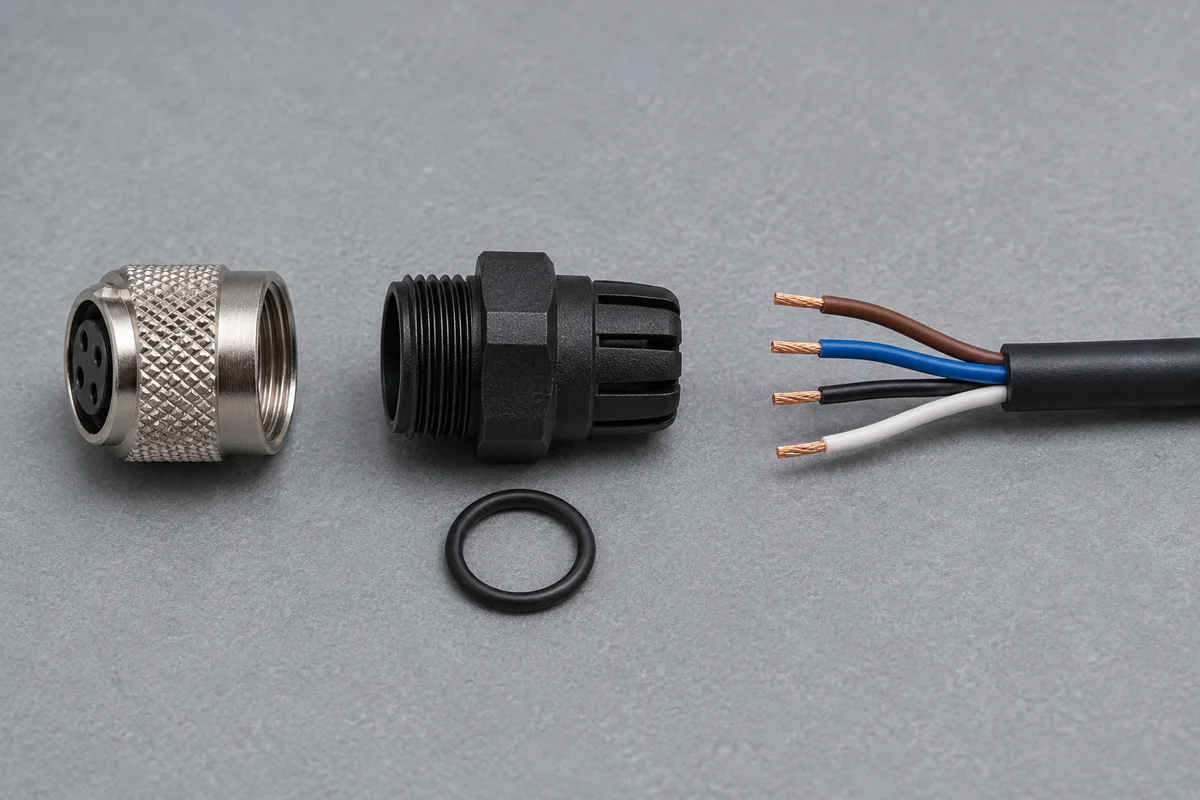
Compare plated brass and stainless locking nuts, contact finishes, seals and cable jackets. See how wiring, temperature, shielding and motion affect selection.
Read article →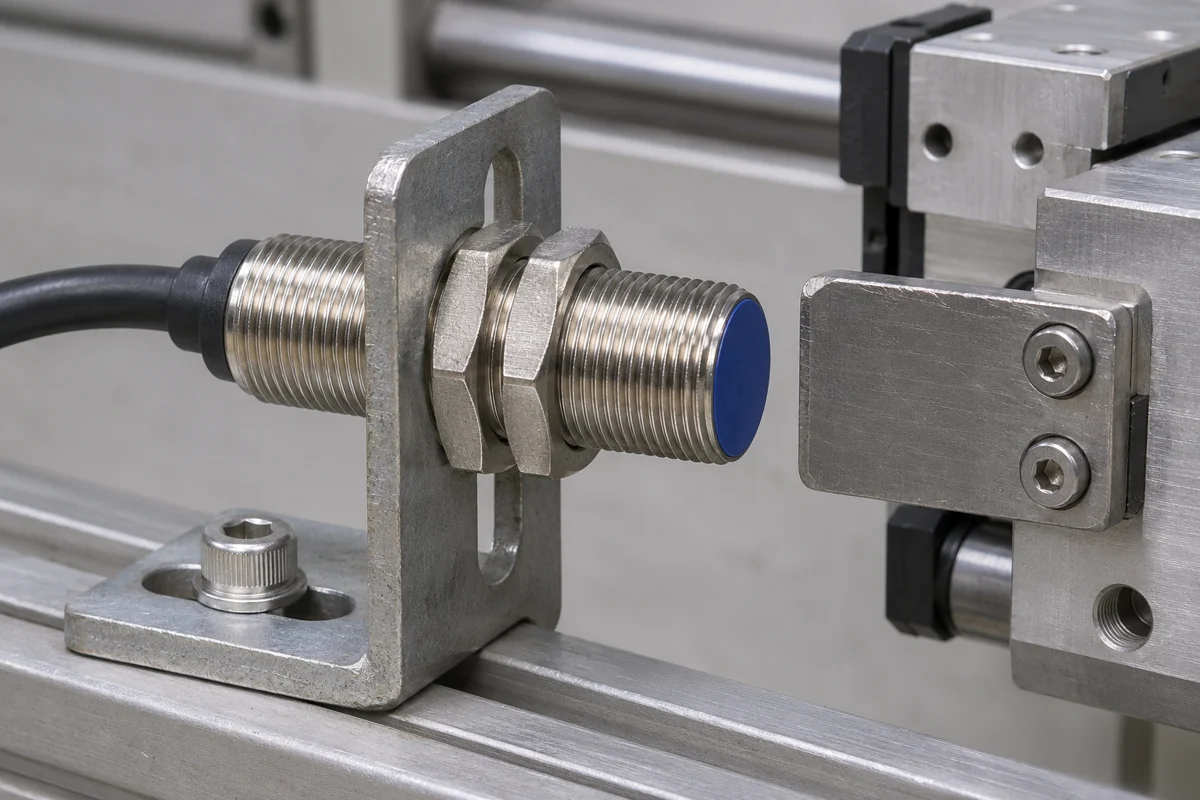
See where to measure the air gap, how surrounding metal affects detection, and why rated and assured distances differ. Includes BEDOOK and LANBAO M12 examples.
Read article →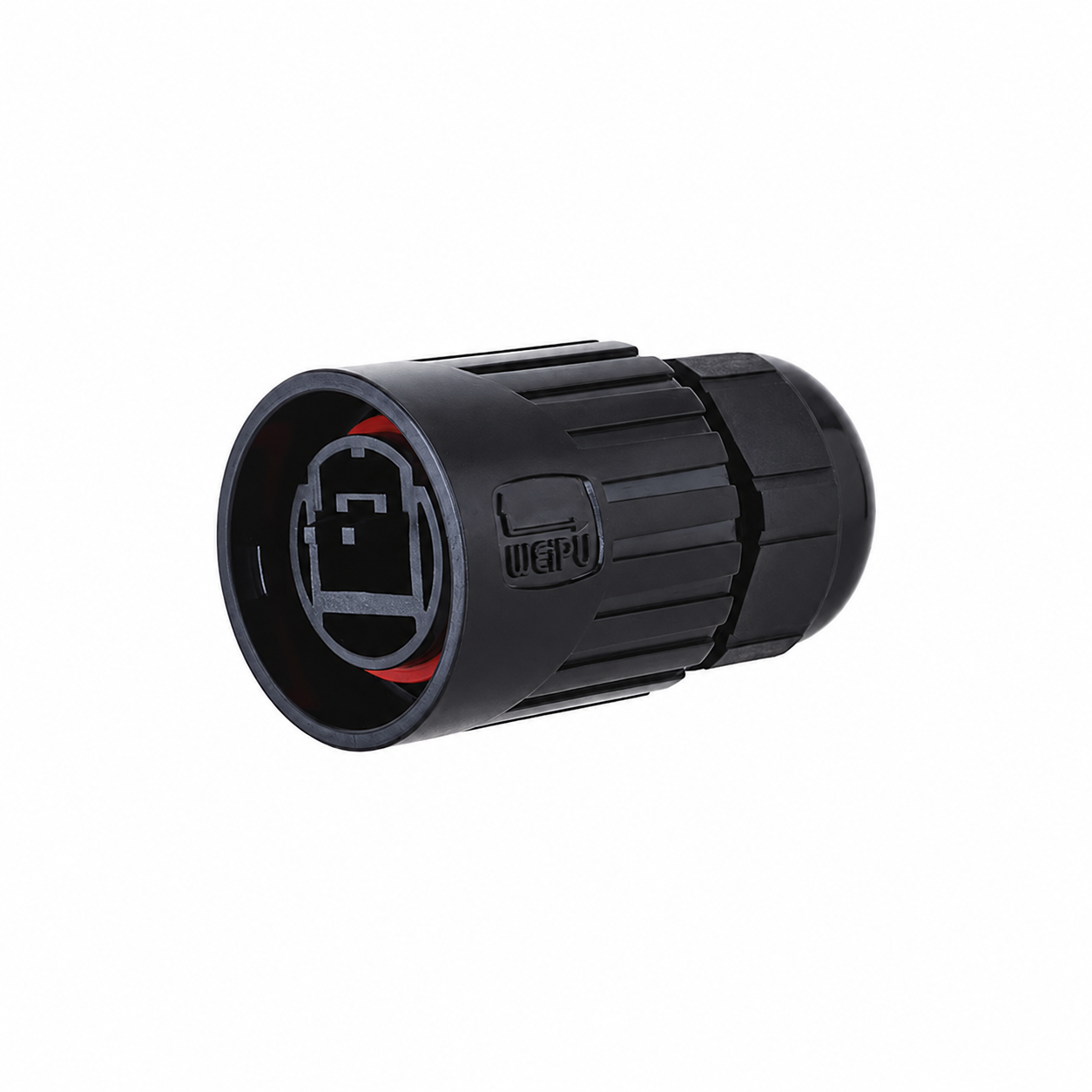
See how shield continuity, Cat 5e or Cat 6 transmission performance and the two housing seals affect an industrial Ethernet link, using WEIPU RJ45F6II.
Read article →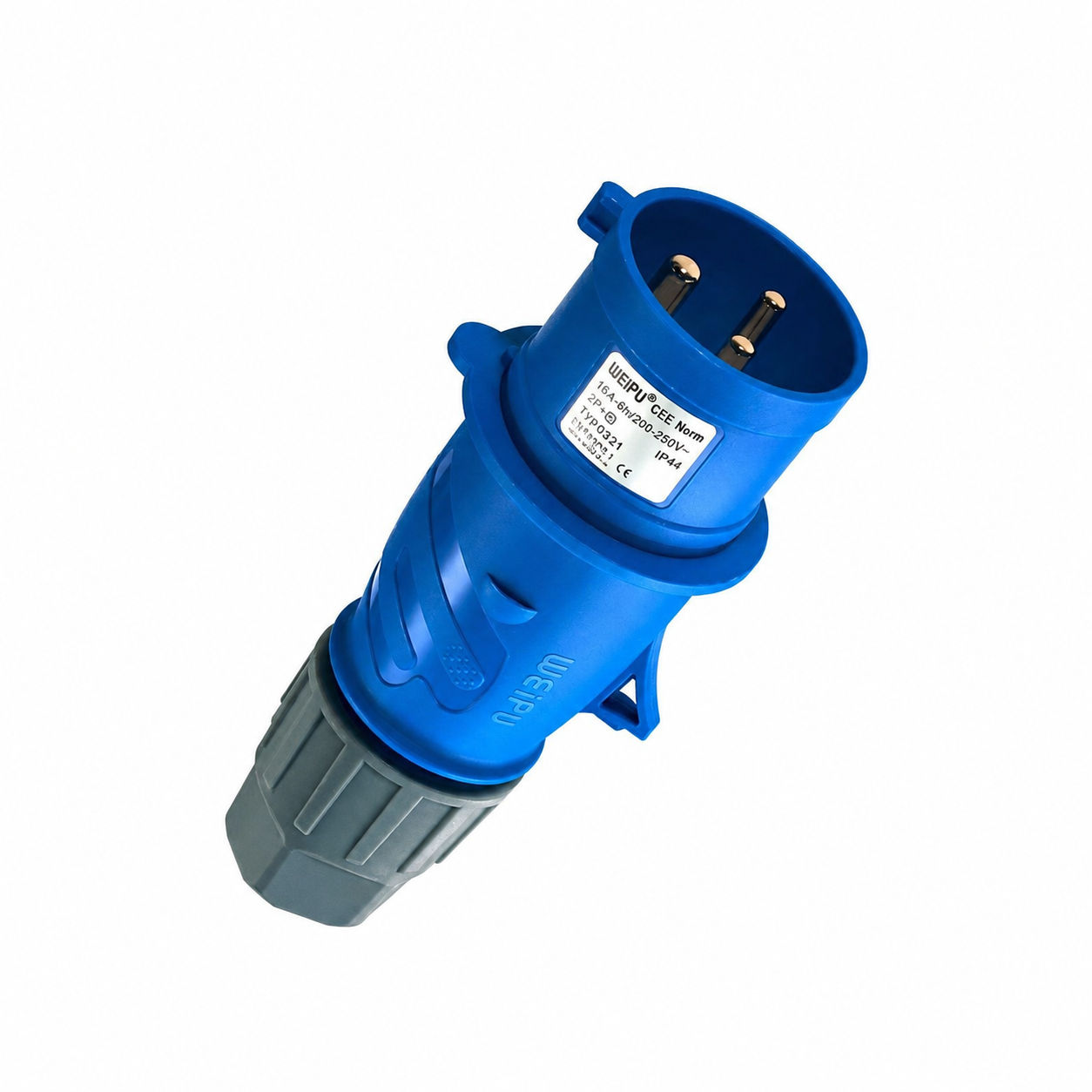
Read 6h on an industrial socket face, see how the key and earth contact block a mismatch, and judge splash exposure using the WEIPU TYPR231 as an example.
Read article →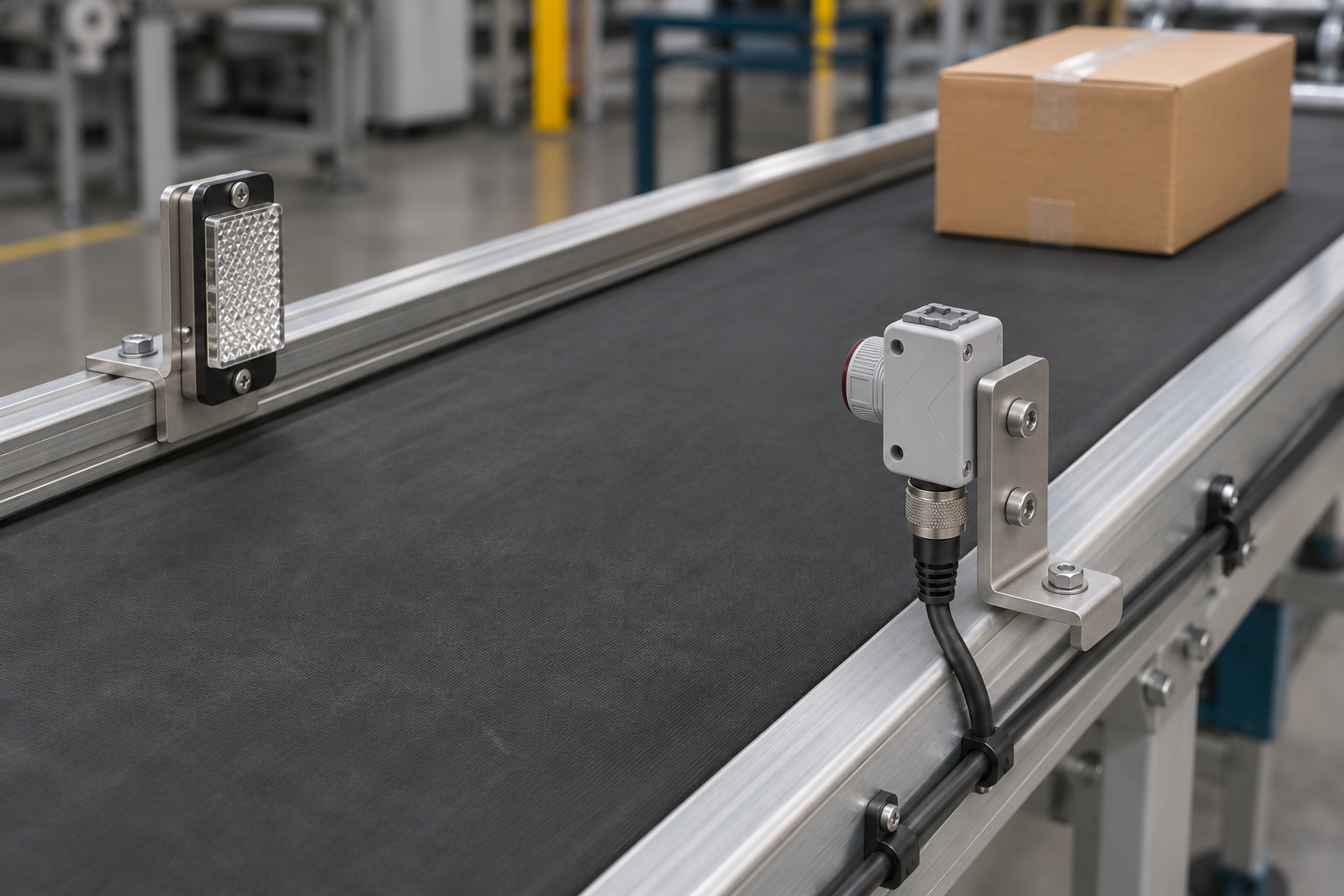
Explain why shiny, dark or transparent targets behave differently, and separate an optical problem from a sensor or controller timing problem.
Read article →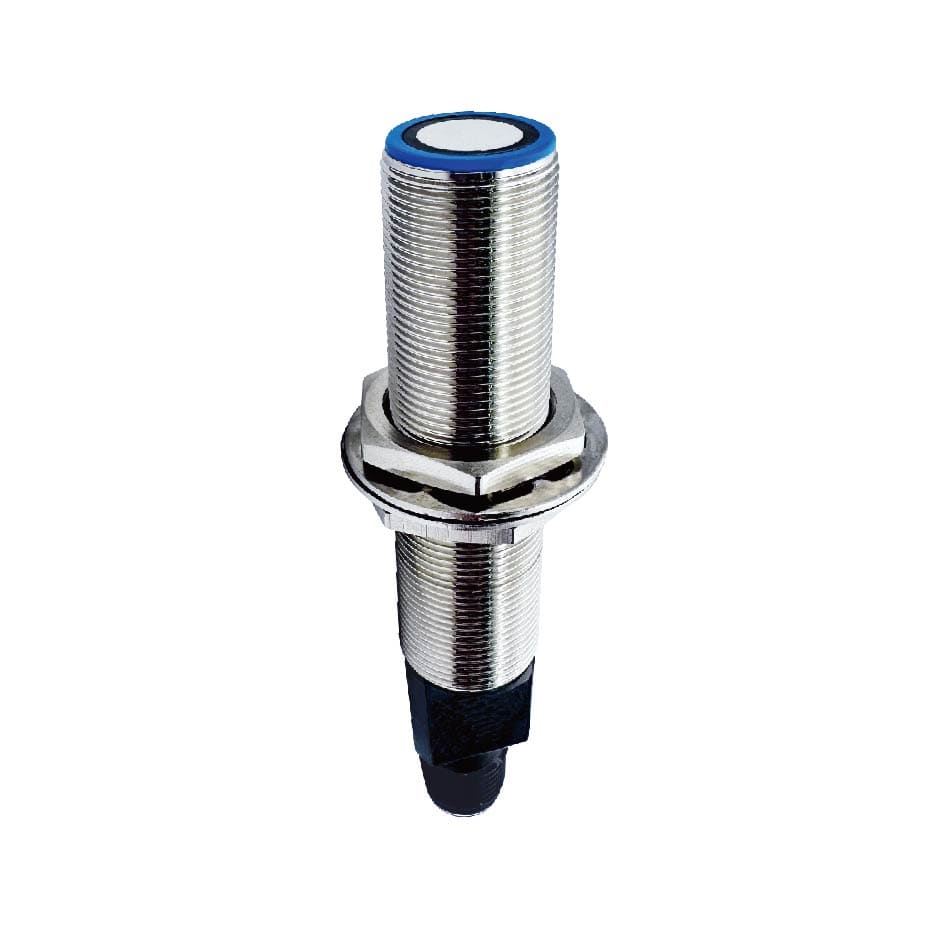
Connect time of flight to distance, distinguish echo travel time from output response, and investigate missing or unstable readings with a structured test record.
Read article →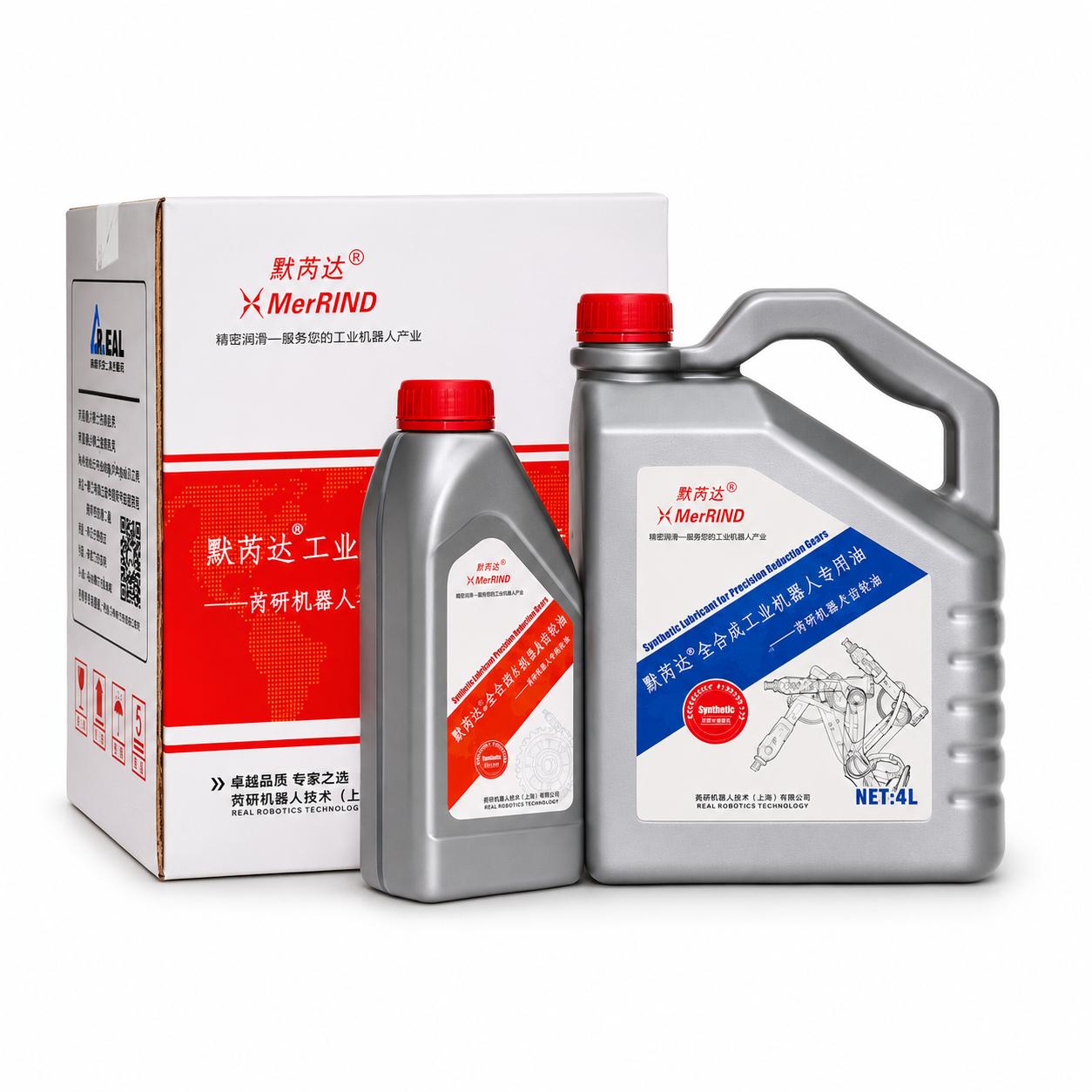
Separate viscosity classification from formulation, temperature behaviour and equipment approval. Use a comparison table to evaluate a proposed lubricant change.
Read article →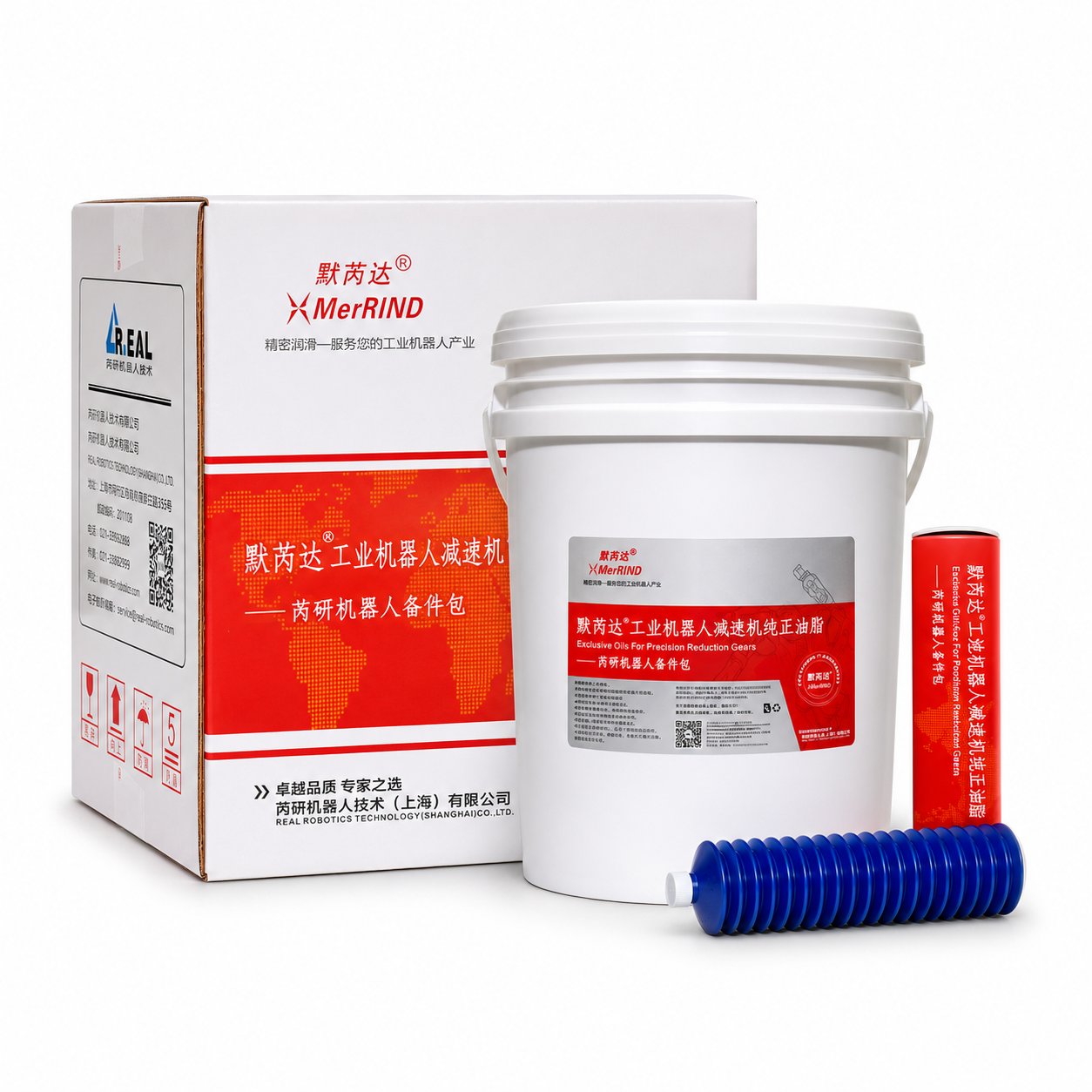
Separate the properties that govern handling, lubrication and changeover. Learn why a shared grade or product-family name does not establish interchangeability.
Read article →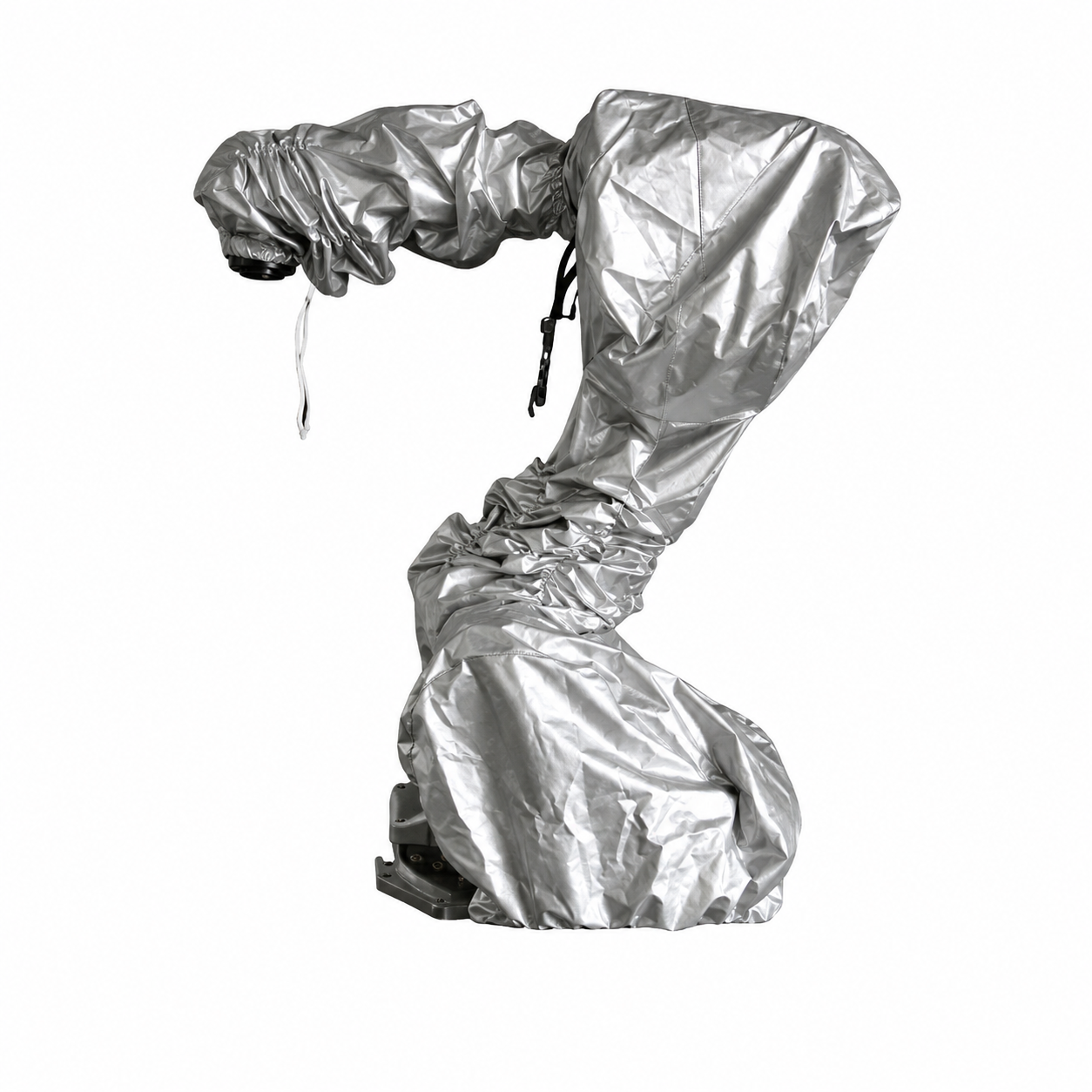
Understand why fabric performance does not establish whole-cover protection, and how seams, closures and wrist motion change the exposure.
Read article →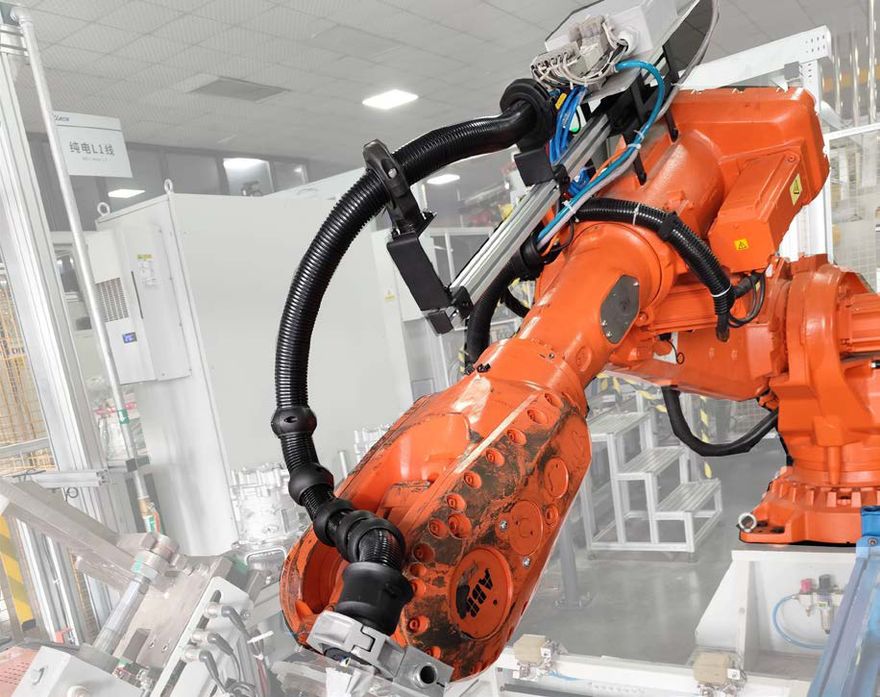
Separate bending, torsion and changing free length. Relate wear patterns to supports, retraction travel and the individual cables inside the pack.
Read article →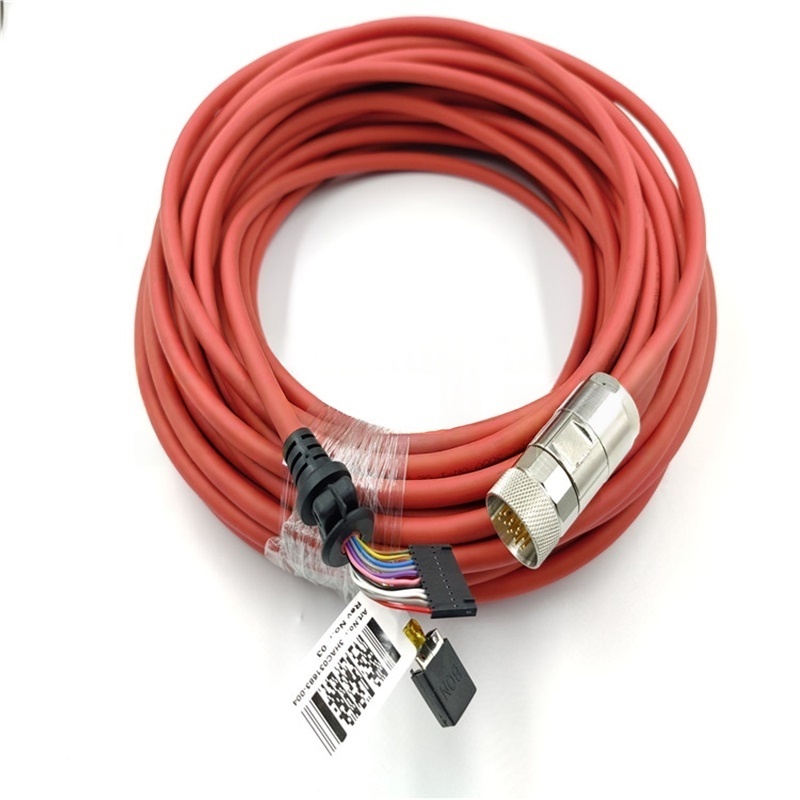
Distinguish pin mapping, pair construction, shielding and motion-related faults, then use the fault conditions to define an appropriate replacement test.
Read article →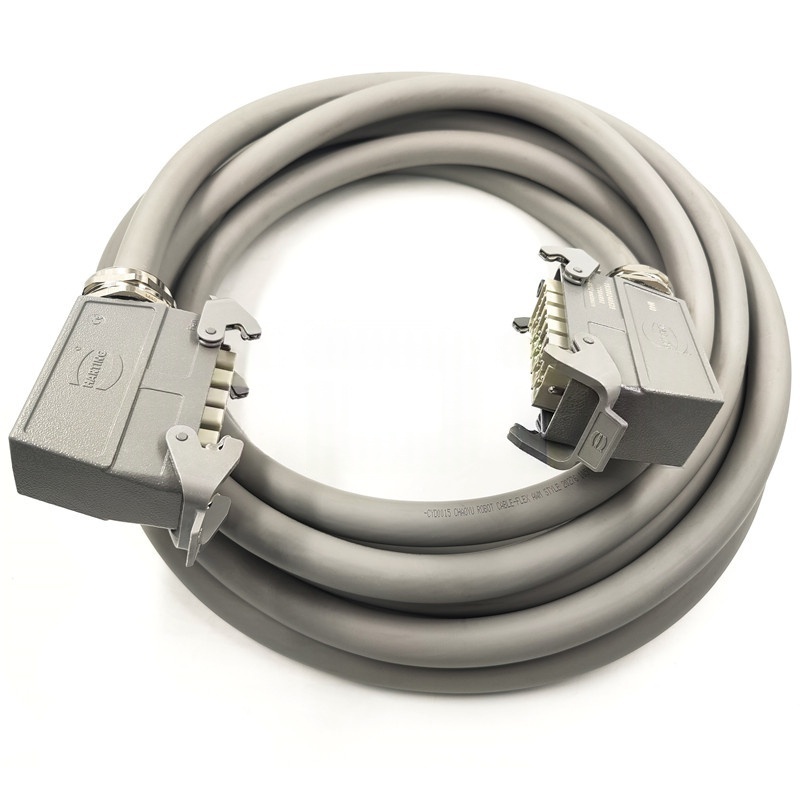
Separate voltage drop along the cable from heating at a connection, and understand why conductor size alone cannot qualify a different drive-cable length.
Read article →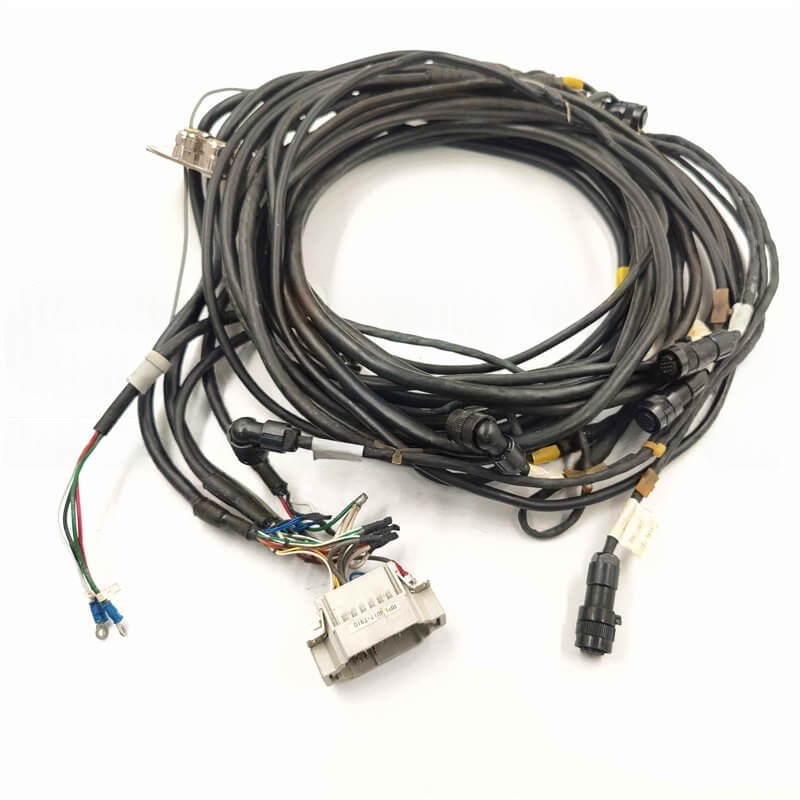
Trace mechanical load through a branched harness, distinguish routing faults from electrical mismatches, and define evidence for a replacement assembly.
Read article →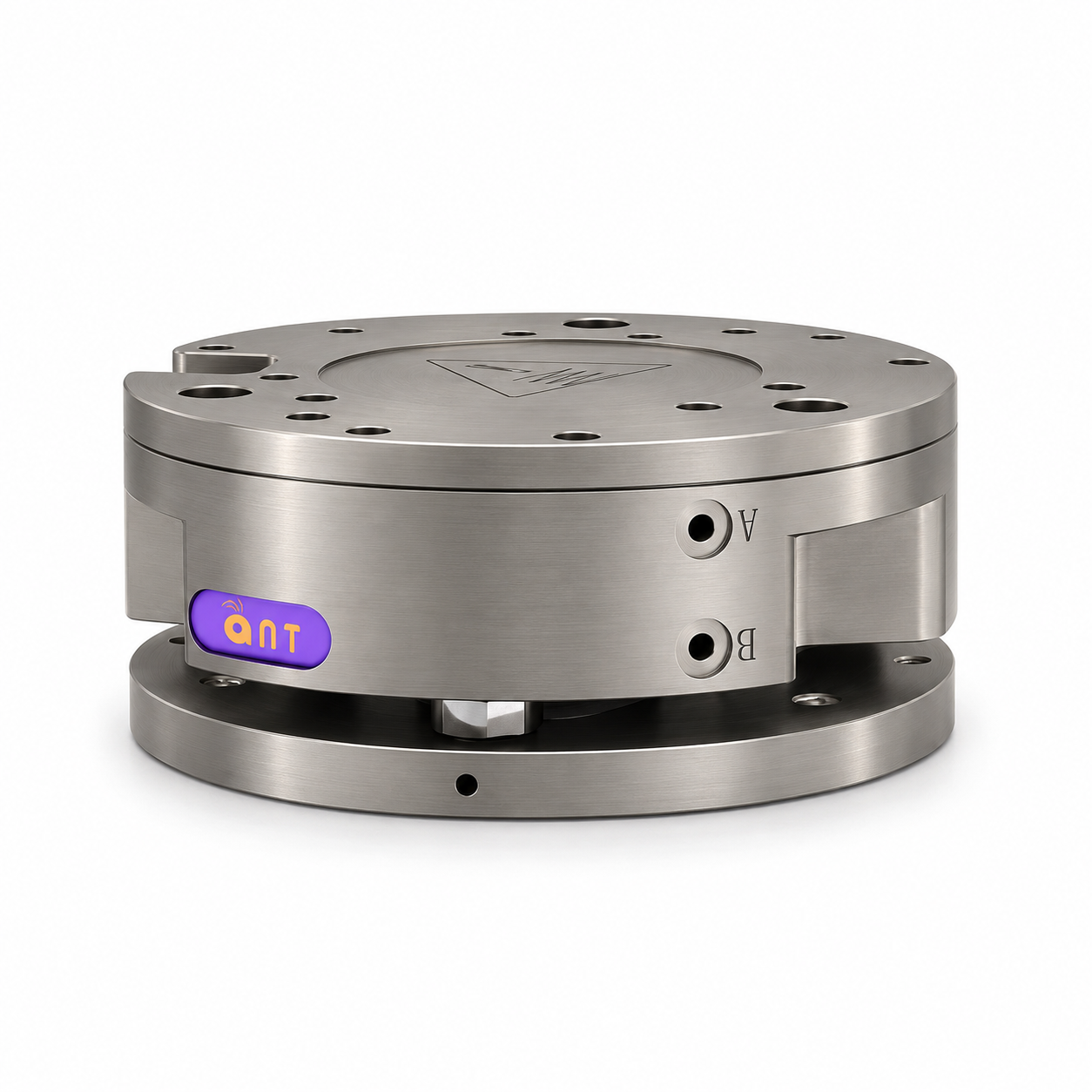
Understand why nominal floating travel does not establish insertion capability, and separate approach alignment, contact correction, seating and return behaviour.
Read article →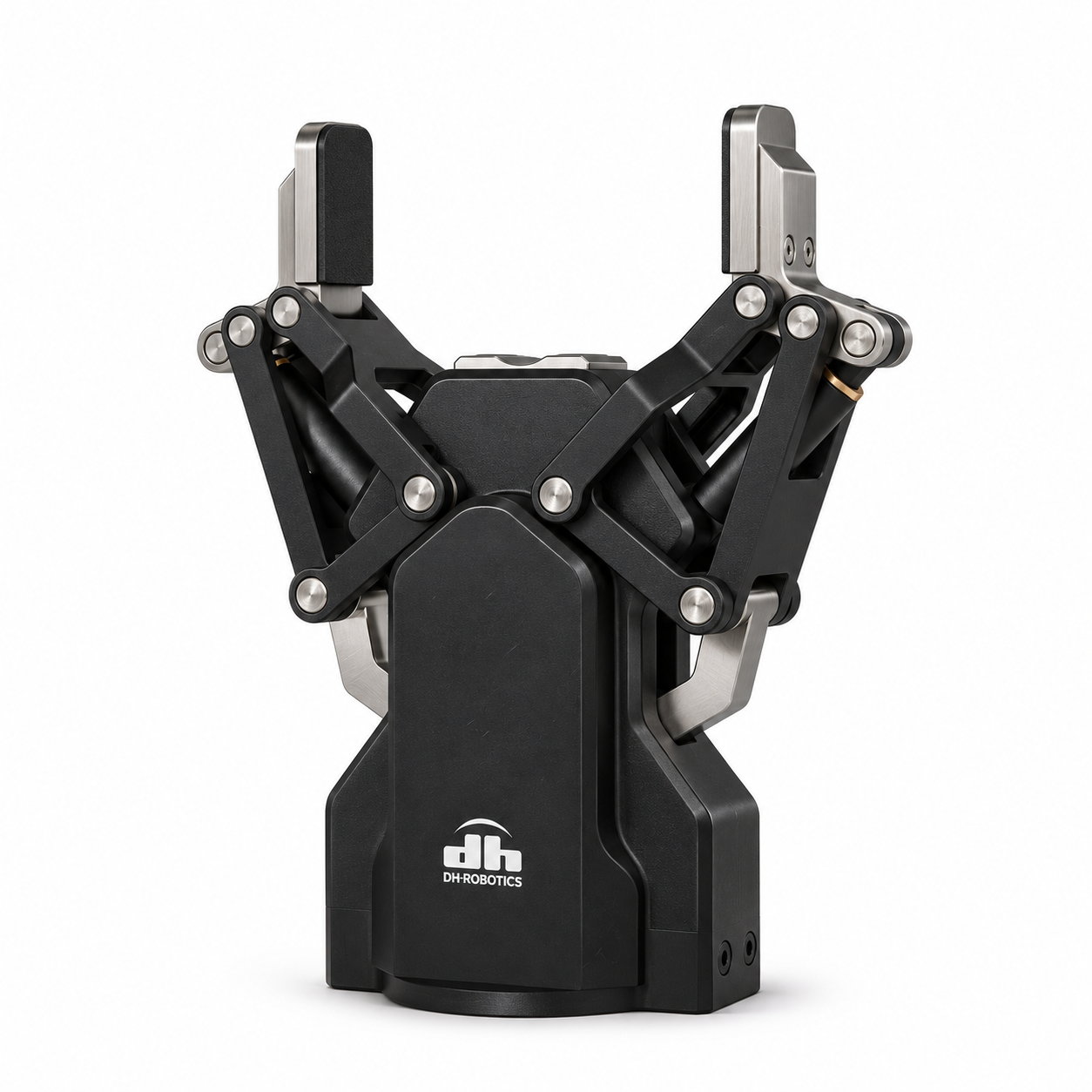
Use a transparent friction example to understand holding margin, then separate mechanical limits from commanded force and reported jaw position.
Read article →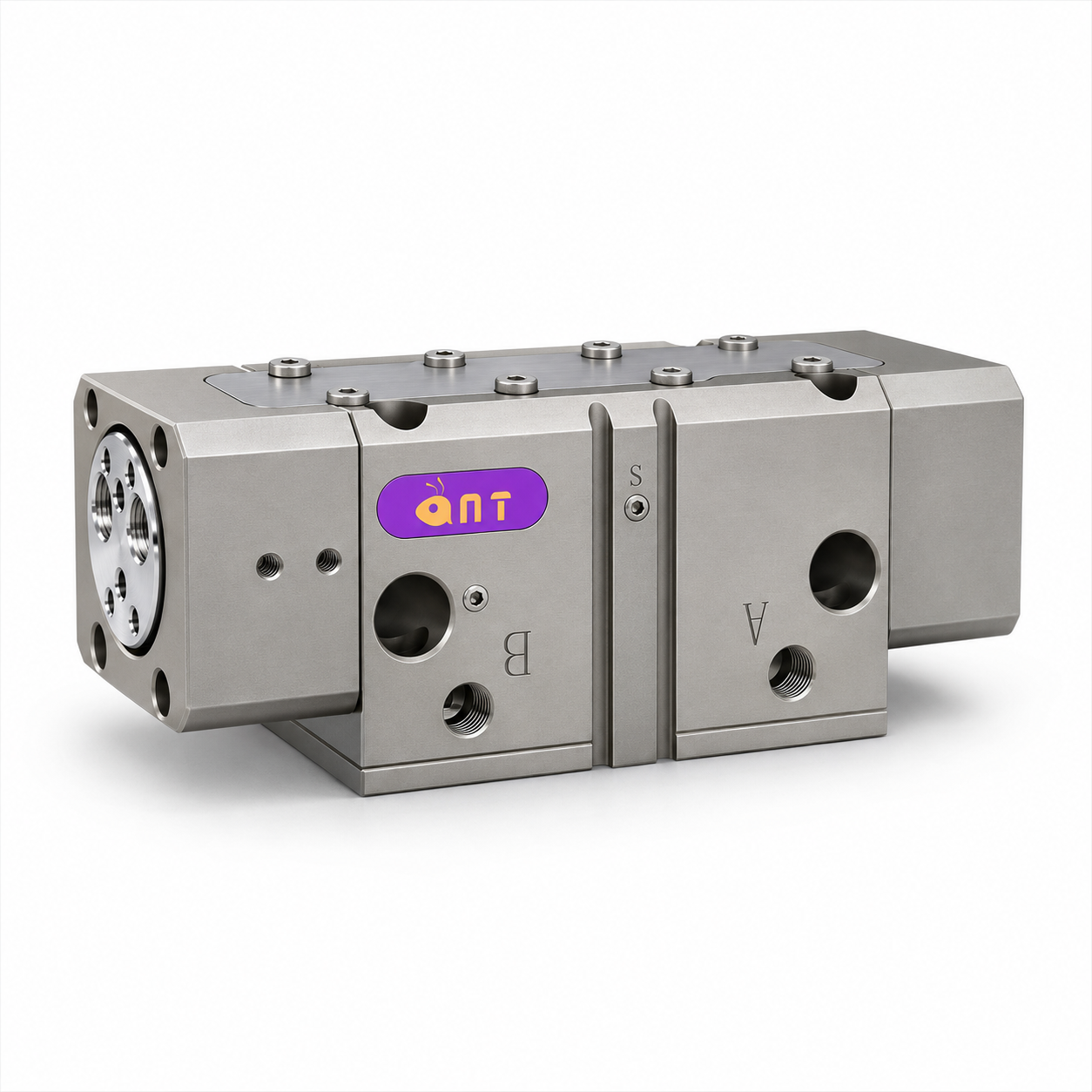
Trace the difference between actuator force and a reliable grip, including pressure during closure, finger moments and the limits of a jaw-position signal.
Read article →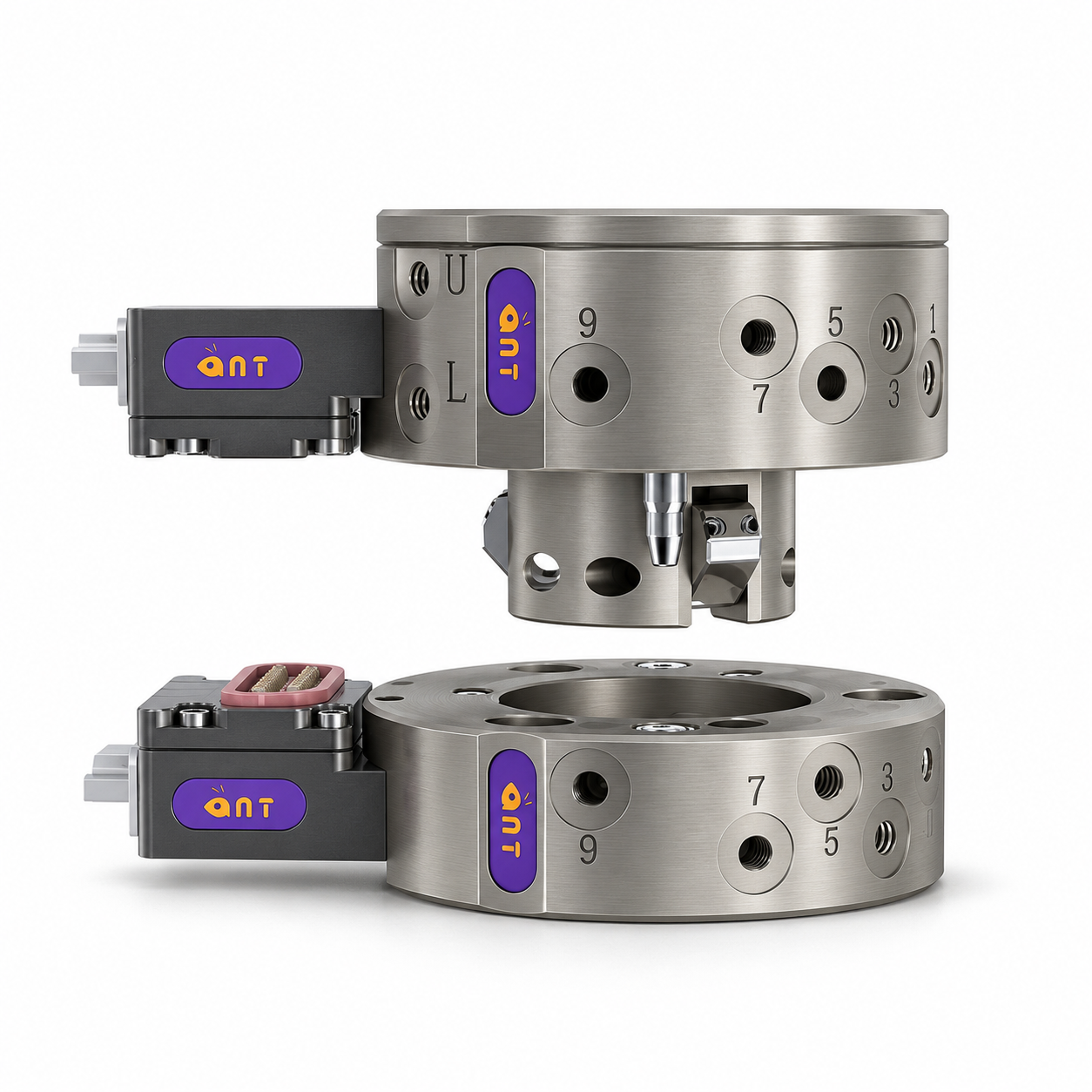
Understand why tool mass is insufficient for sizing, how docking tolerance differs from repeatability, and what each coupling signal actually proves.
Read article →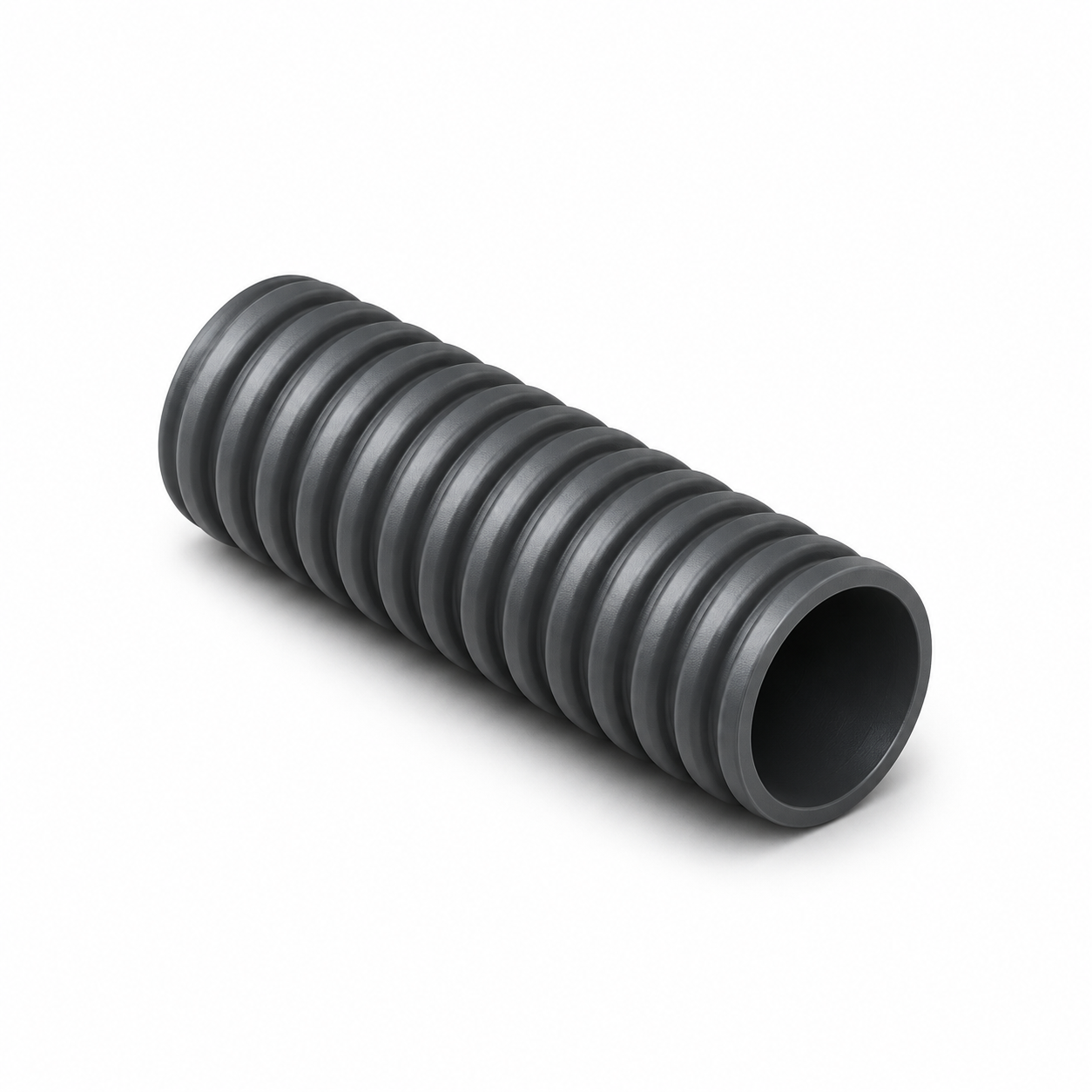
Separate the accessory family from the cable passage, and understand how crowding, bending and end fittings can produce wear inside an intact conduit.
Read article →